
Advocacy is central to the value provided to APTA Colorado members, patients, and the physical therapy community at large in Colorado. We are proud of our efforts and excited about our team, including both the Government Affairs Committee (GAC) and our professional lobbying team.
2026 Legislative Priorities
APTA Colorado has identified three legislative priorities for the 2026 legislative session:
Protecting Medicaid Provider Rates
Colorado is facing an estimated $850 million state budget shortfall, driven largely by growth in Medicaid costs and the constraints of the Taxpayer’s Bill of Rights (TABOR).
In response, the Governor has proposed several Medicaid provider reductions, including:
APTA Colorado is actively educating legislators on the cost-saving and preventive benefits of physical therapy within the health care system and the access-to-care challenges Medicaid members face when provider rates are decreased.
Expanding Physical Therapist Practice: PTs Conducting Youth Sports Physicals
Physical therapists are uniquely trained to assess movement, musculoskeletal health, and injury risk, making them well suited to determine readiness for athletics.
Currently, physical therapists are excluded from the list of providers authorized to perform pre-participation sports physicals for youth.
APTA Colorado seeks legislation to add physical therapists to the existing list of qualified providers which includes MDs, DOs, Nurse Practitioners, Physician Assistants and Chiropractors.
Prohibiting Multiple Procedure Payment Reduction (MPPR) in Medicaid
Last session, Colorado attempted to implement a Multiple Procedure Payment Reduction (MPPR) policy for rehabilitative therapies. APTA Colorado successfully opposed that effort.
MPPR policies would result in an approximately 8% cut for rehabilitative therapy services further strain patient access
APTA Colorado is pursuing proactive legislation to prohibit the implementation of MPPR policies within Medicaid.
APTA CO PT Capitol Pulse
Beginning in January, 2026, APTA CO will deliver timely legislative and administrative public policy updates directly to your inbox – biweekly during the Legislative Session and monthly during the rest of the year.
We need our members to be the best prepared advocates they can be. We are committed to ensuring you are able to deliver compelling messages in a timely fashion to support the work of our lobby team.
2026 APTA CO Advocacy Day
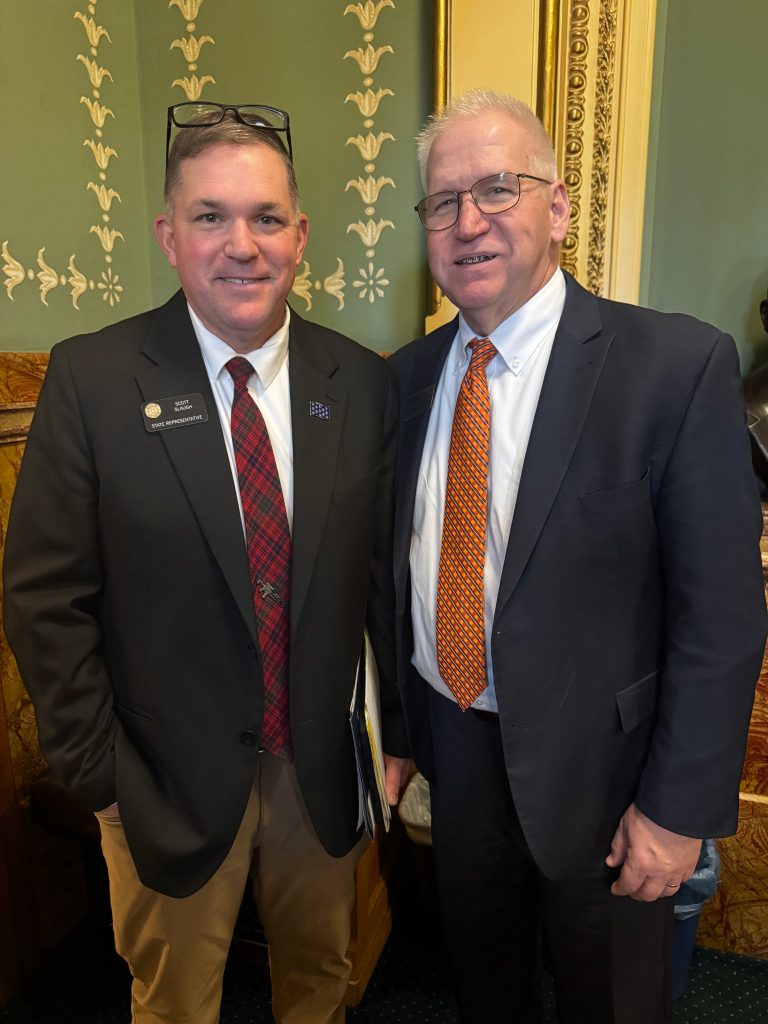
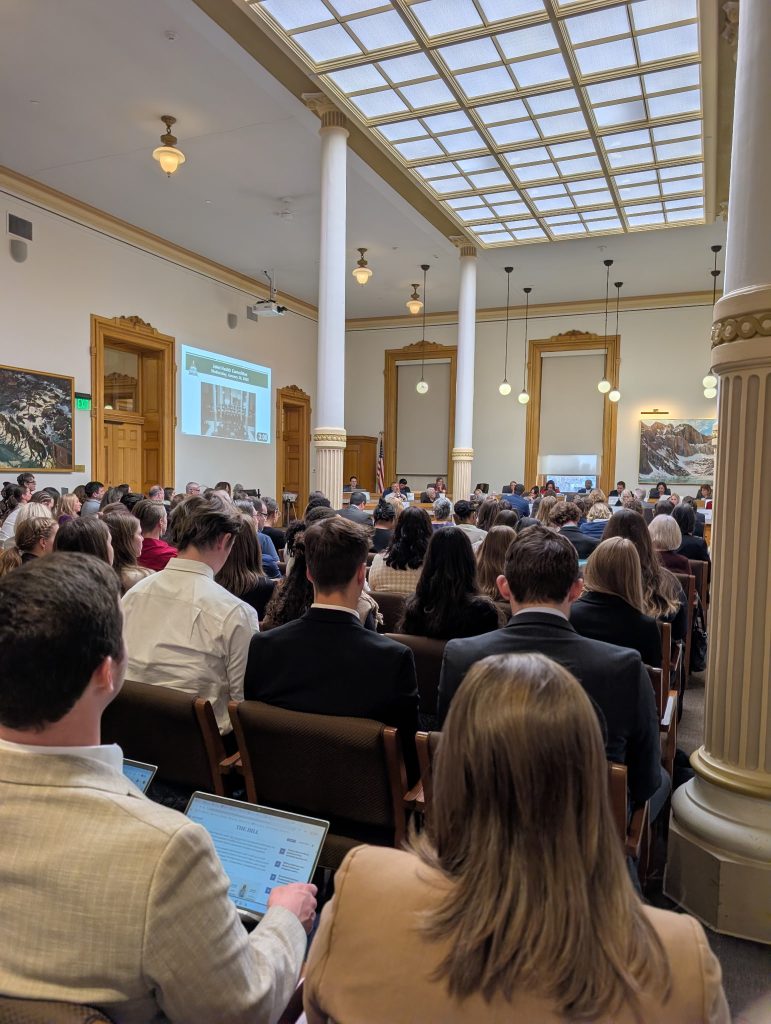
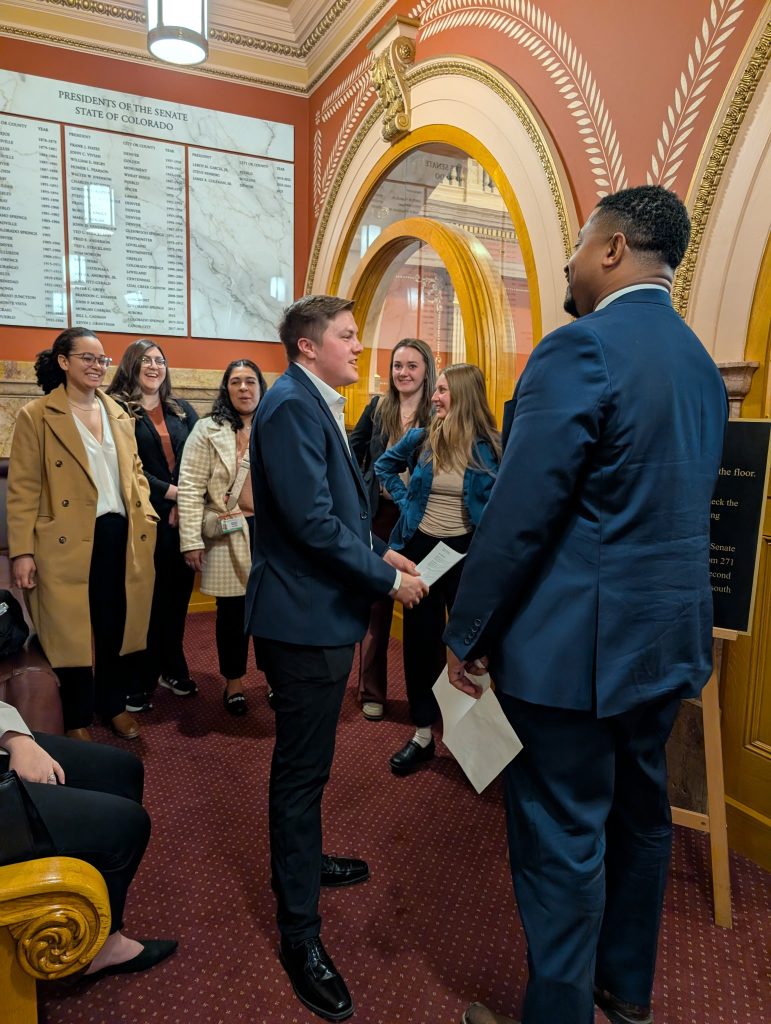
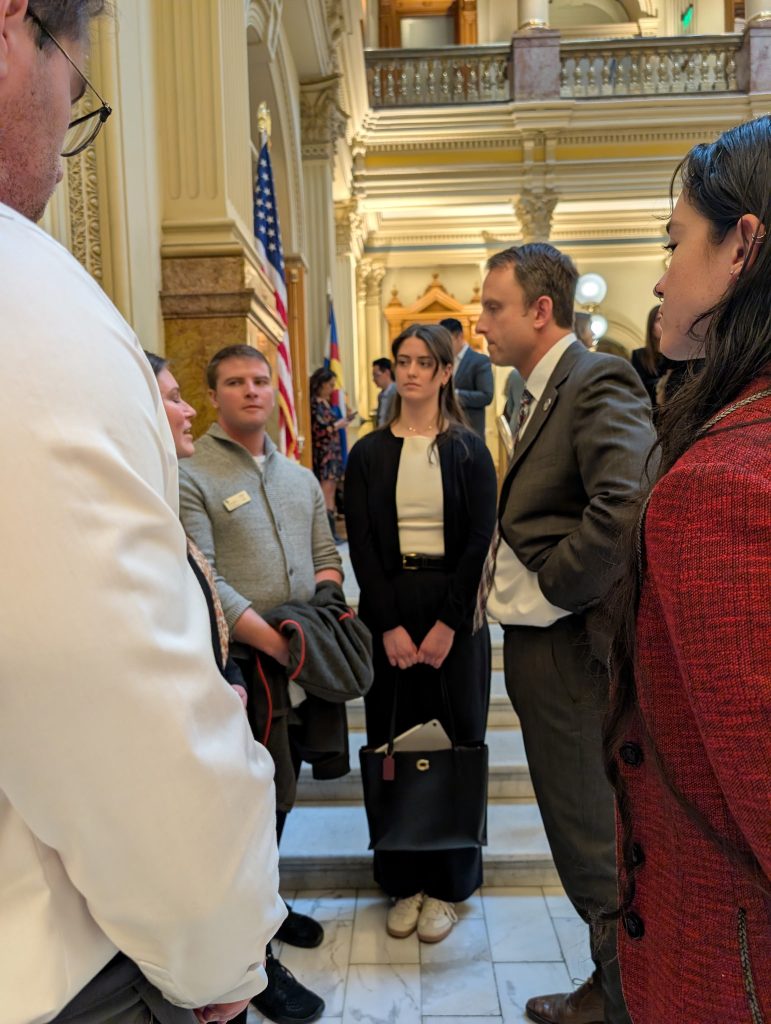
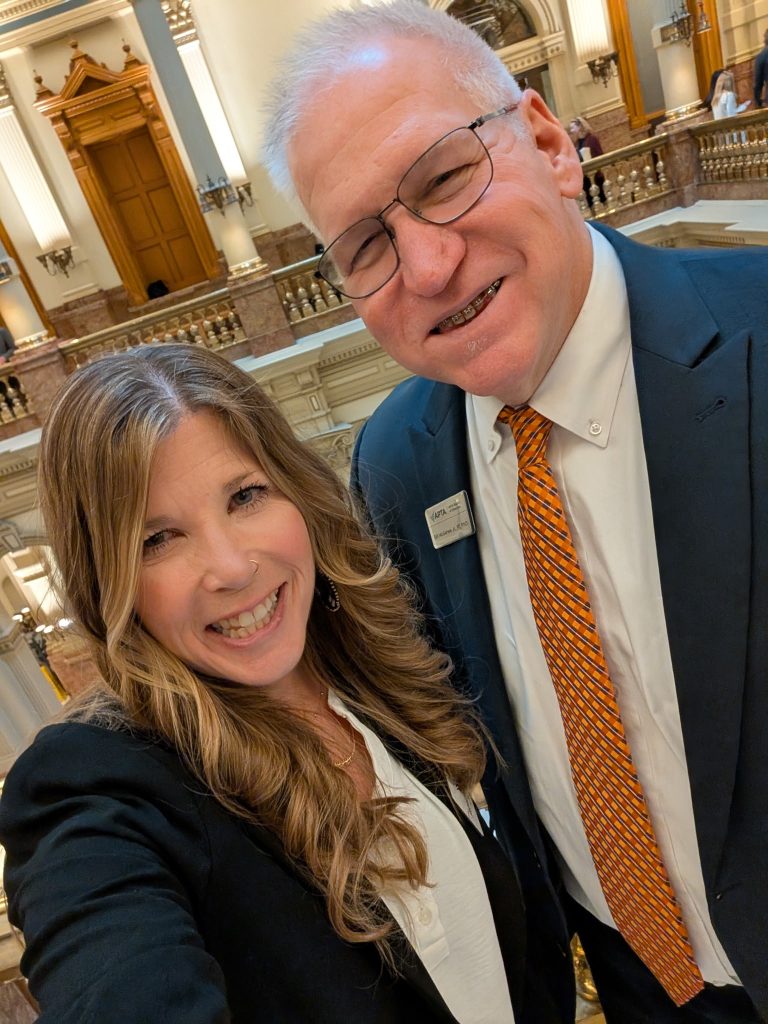
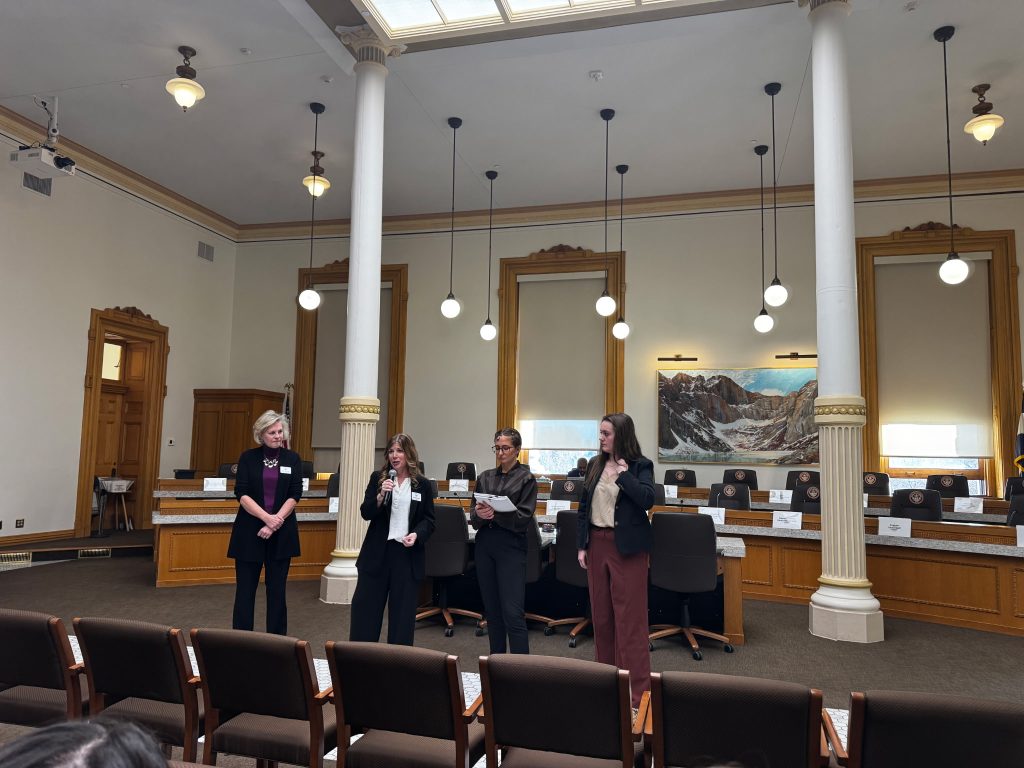
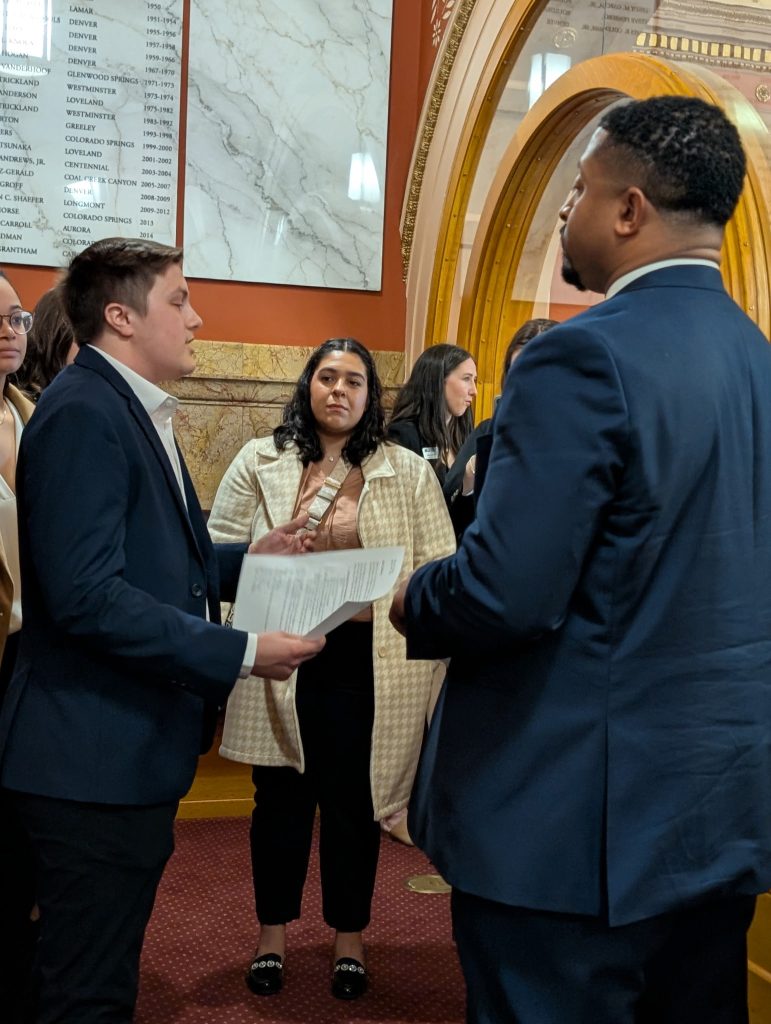
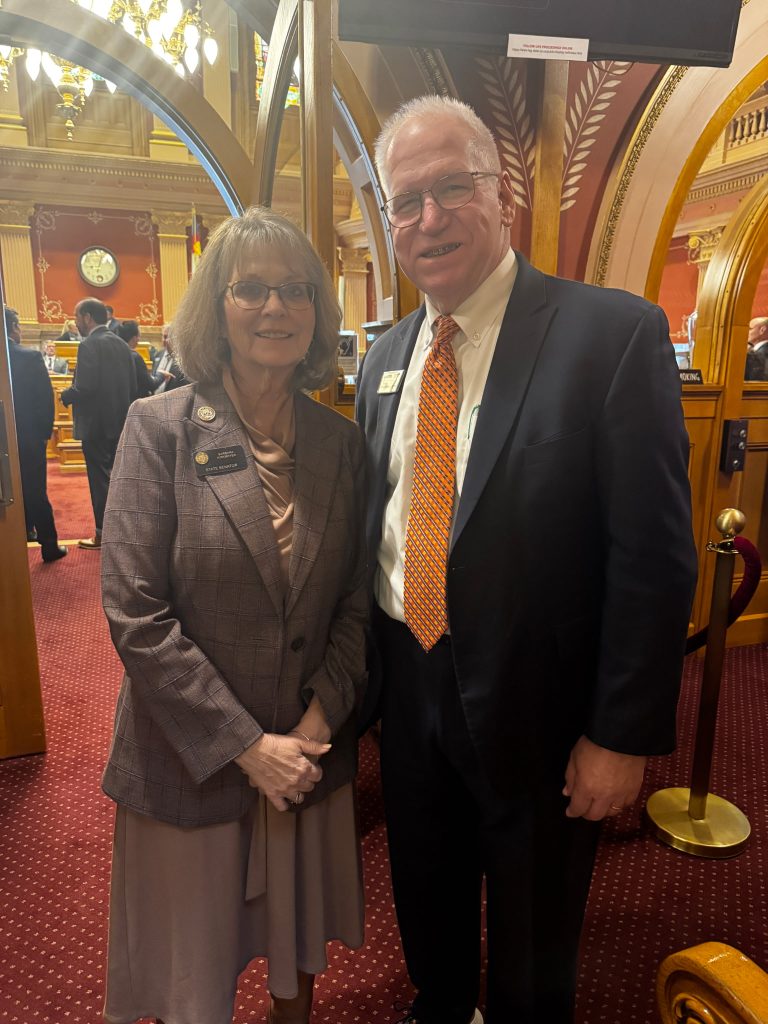
Driven by the Student Special Interest Group (SSIG), over 100 PT and PTA students and clinicians made their voices heard at the Colorado State Capitol. Advocating for the APTA CO legislative agenda (see above), members were able to contact dozens of state Representatives and Senators. Special Thanks to our SSIG organizers Bethany Vaught, Alan Martinez and Maren Porter for all their work to make this day a success.




The 2025 Colorado legislative session ended on May 7 after 120 days with a total of 650 bills introduced with roughly two-thirds passing both chambers. The session was shaped by an ambitious progressive agenda, tempered by looming fiscal constraints and a shifting political landscape.
Democrats continued to hold majorities in both chambers after the November 2024 election. In the House, Democrats lost two seats holding a majority of 43-22, one vote shy of a supermajority. In the Senate, the balance of power remained the same with Democrats having the edge 23-12, also one vote shy of a supermajority.
This year, Democratic lawmakers focused on consumer protections, healthcare access, education, and social justice. Underlying these policy efforts was the deepening fiscal reality in Colorado that saw a projected $1.2 billion budget shortfall. With a structural budget deficit, worsened by TABOR-restraints and increased costs in Medicaid, lawmakers had to make difficult decisions to cut programs and rework their policy ideas without creating new spending obligations.
From the outset, Democrats signaled their intent to counteract policies from the incoming Trump administration. This led to the introduction of dozens of bills aimed at safeguarding state autonomy on issues like reproductive rights, immigration, and LGBTQ+ rights. House Speaker Julie McCluskie of and Senate President James Coleman emphasized the urgency of these measures during their opening day remarks. However, Republican lawmakers criticized this approach as unnecessarily confrontational, arguing it fostered conflict rather than collaboration.
Progressives in the legislature also often clashed with their more moderate cohorts over the policy agenda, which has come to be expected. The legislature experienced notable tension with Governor Jared Polis, whose hands-on approach to his legislative agenda has become the norm. The Governor vetoed several bills during session including a bill that would have required social media companies to police illegal content and a bill that would have given governments more time to comply with Colorado Open Records Act (CORA) requests. Both of these vetoes led to rare override attempts, which were ultimately unsuccessful. The Governor has also signaled vetoes of several other bills including bills prioritized by labor unions and other progressive groups, highlighting their ongoing struggle with the libertarian, centrist Governor.
The session ended with many progressive policy wins, while some policies were watered down or tabled altogether. It is clear that many choices were made by lawmakers with eyes already set on the 2026 mid-term election.
The Colorado General Assembly passed a $43.9 billion state budget for fiscal year 2025–2026, navigating a $1.2 billion shortfall without implementing major cuts to core services like K–12 education, higher education and Medicaid. The budget reflects an extraordinary effort on behalf of the six-member Joint Budget Committee that began writing the budget in September 2024. The state budget bill or “Long Bill” signed by Governor Jared Polis, reflects a 3.8% reduction in discretionary spending compared to the previous year. This marks the first budget in five years not bolstered by federal pandemic relief dollars, necessitating fiscal restraint and tough decisions across various programs.
Despite the budget shortfall, there were several new investments the Joint Budget Committee made, particularly in education and Medicaid:
Education:
$115 million increase in K–12 education funding for per-pupil funding and to avoid reinstating the Budget Stabilization Factor.
$13.5 million in categorical funding for special education, English language learners, and at-risk populations.
$3.4 million allocated to support early literacy interventions for K-3 students.
Continued investment in the Universal Preschool Program and early intervention services for children with developmental delays.
$39.8 million for higher education institutions.
Health & Human Services:
$208 million for Medicaid premiums to keep up with caseload, Medical inflation.
1.6% increase in rates for Medicaid providers.
$33 million for county administration of Medicaid and SNAP benefits and updates to the Colorado Benefits Management System (CBMS).
Public Safety & Mental Health:
$350 million for law enforcement training, recruitment and retention approved by voters in Proposition 130.
$15 million to enhance the state’s emergency and operational communications dispatching system.
$7.6 million to expand capacity at the Colorado Mental Hospital in Fort Logan and $6.1 million for community alternatives to incarceration.
The Joint Budget Committee did make dozens of cost-saving moves, mostly one-time funding cuts to transportation, education grants, marijuana tax cash fund and decreases in the state’s TABOR refund obligation:
Transportation:
$64 million from the State Highway Fund for FY 2025–26 and an additional $50 million for the following fiscal year. The cuts are planned to be repaid by 2033.
$71 million in unspent grant money for multimodal transit projects were clawed back from local governments.
$40 million from the Electric School bus Fund.
$7 million from the Revitalizing Main Streets grant program.
Education:
$150 million cap on the Building Excellent Schools Today (BEST) program.
Elimination of dozens of school grant programs, including the high-impact tutoring program, bullying prevention and career pathways.
Other:
1% cut to all departments’ personal services operating expenses.
Delay in state contribution to district attorney salaries.
Vacancy savings across state departments.
Sweeping of cash funds and interest earnings on those funds.
Several programs cut or reduced for behavioral health or community-based services financed with Marijuana Tax Cash Fund.
The budget was mostly balanced using one-time savings options. The structural deficit Colorado faces will be just as challenging next year as ongoing savings were largely not seen.
You can find all the bills tracked by APTA-CO here.
SB25-206 – 2025-26 Long Bill –Passed
Sponsors: Sen. Bridges; Rep. Bird
Medicaid Provider Rates:
The budget signed by the Governor includes a 1.6% rate increase for all Medicaid providers. This is a significant win given the state’s budget reality. The Joint Budget Committee at one point was considering rate cuts as high as 5%. The new rates go into effect July 1, 2025.
Multiple Procedure Payment Reduction Budget Amendment:
The Joint Budget Committee’s initial budget as introduced included a Multiple Procedure Payment Reduction (MPPR) for physical therapy, occupational therapy, and speech therapy, which would have lowered payments to providers performing multiple procedures during the same visit. Initially, the JBC was informed by staff that implementing MPPR was a federal mandate, but this information was incorrect. MPPR would have resulted in significant cuts to therapy provider rates, up to 8.5%.
In response, the APTA-CO lobby team introduced an amendment to the Long Bill to reverse these cuts. The amendment passed both chambers and was ultimately accepted by the JBC during the final budget reconciliation process. This success was made possible strong engagement from APTA-CO members and joint advocacy efforts from therapy groups (or what Colorado Politics called “intense lobbying.”)
HB25-1213 – Updates to Medicaid – Passed
Sponsors: Reps. Feret, Weinberg; Sens. Daugherty, Ball
Position: Support
The bill makes several changes to administrative, eligibility, billing, and review requirements of the state’s Medicaid program in HCPF including prohibiting HCPF from imposing signature requirements beyond what is required by CMS who is certifying a plan of care that involves physical, occupation or speech therapy services.
APTA-CO worked with the sponsors to include this language in the bill and testified in support during committee hearings.
SB25-186 – Sunset Workers’ Compensation Providers Accreditation – Passed
Sponsors: Sens. Ball, Winter; Rep. Hamrick
Position: Support
The bill continues the Workers’ Compensation Accreditation of Health Care Providers Program, until September 1, 2036, and allows any regulated health care professional to obtain Level 1 accreditation, including physical therapists and physical therapist assistants. This accreditation helps providers navigate the Workers’ Comp system in Colorado and can lead to higher reimbursement for these services.
APTA-CO has been working on this policy for several years with CDLE and other stakeholders.
SB25-152 – Health-Care Practitioner Identification Requirements – Passed (amended)
Sponsors: Sens. Frizell, Michaelson Jenet; Reps. Garcia Sander, Feret
Position: Amend
The bill expands the Medical Transparency Act to require select regulated medical practitioners to communicate information about their state-issued qualifications:
The APTA-CO lobby team worked to significantly amend the bill from the introduced version which had much more stringent requirements which were difficult to implement in practice.
HB25-1016 – Occupational Therapist Prescribe Medical Equipment – Signed by Governor
Sponsors: Rep. Stewart K.; Sens. Michaelson Jenet, Rich
Position: Support
The bill authorizes a licensed occupational therapist to directly recommend and prescribe durable medical equipment (DME) to a patient without requesting the prescription from a licensed physician.
HB25-1075 – Regulate Speech-Language Pathology Assistants – Passed
Sponsors: Reps. Garcia Sander, Phillips; Sens. Kirkmeyer, Mullica
Position: Support
The bill establishes regulatory requirements for speech-language pathology assistants (SLPA) in the Division of Professions and Occupations in DORA. It also expands the supervisory requirements and disciplinary actions for certified speech- language pathologists.
Physical Therapist Sign Sports Physicals – Not Introduced
APTA-CO was working with Sen. Janet Buckner to introduce a bill that would add physical therapists to the list of providers who can sign off on physicals for youth to play organized sports in schools. Sen. Buckner resigned her seat before the beginning of the session. We worked with Sen. Janice Marchman (D-Loveland) to get a late bill approved, but the request was not okayed by Senate leadership. Sen. Marchman has committed to run the bill as part of her first five bills.
SB25-005 – Worker Protection Collective Bargaining – Passed
Sponsors: Sens. Rodriguez, Danielson; Reps. Mabrey, Bacon
Position: None
The bill eliminates the requirement for employees to conduct a second election to negotiate a union security agreement clause in the collective bargaining process.
Governor Polis has signaled he will veto this legislation.
HB25-1300 – Workers’ Compensation Benefits Proof of Entitlement – Passed
Sponsors: Rep. Willford; Sen. Kipp
Position: None
The bill repeals the requirement that an employer provide a list of health care providers from which an injured worker may select to attend to an injury, and repeals the related provisions with respect to geographic location of providers and requirements when the employer is a health care provider that could treat the injury “in house.” Instead, this bill requires that an employer or insurer notify the injured employee of the right to designate a treating physician and where to access the list of Level I and Level II accredited physicians maintained by the CDLE.
Governor Polis has signaled he may veto this legislation.
SB25-306 – Performance Audits of Certain State Agencies – Passed
Sponsors: Sens. Rodriguez, Kirkmeyer; Reps. Lindstedt
Position: None
The State Auditor must conduct a performance audit of the Air Pollution Control Division in the Department of Public Health and Environment (CDPHE). In 2027 and 2032, the State Auditor must conduct a performance audit of the Division of Unemployment Insurance in the Department of Labor and Employment (CDLE).
The audits must determine whether the divisions comply with statute, assess program benefits and processes, review funding and staffing levels, and analyze whether appropriation requests impacted program implementation.
Business:
HB25-1010: This measure would revise the state’s price gouging laws as they pertain to natural or human-made disasters. If the governor declares a disaster emergency, companies would not be able to increase the cost of an item by more than 10% of its price before the disaster began.
HB25-1090: Standardizes transparent pricing practice upfront and in many cases prohibiting “junk fees”. The law prohibits the misrepresentation of pricing information, requires the purpose of a fee that is not part of the total price to be disclosed, and restricts the fees landlords can charge for utilities and other services to ensure tenants are not charged additional fees.
HB25-1208: Local governments in parts of the state where the minimum wage is higher than the state’s base would have the option starting next year of increasing their tipped-wage credit effectively allowing employers to offer a lower base pay rate.
SB25-005: This bill would abolish a requirement in the Colorado Labor Peace Act that 75% of workers at a company sign off before unions can negotiate with businesses eliminating the required second vote to unionize. Polis has said he will veto the bill.
Health Care:
HB25-1002: The bill prohibits health insurers from denying care based on a patient’s current or future behavioral health or substance use disorder.
HB25-1088: The bill is Intended to prevent surprise charges for ambulance rides. It would limit how much ambulance services can charge for transporting patients and would require health insurance companies to cover the cost, minus deductibles or copays.
SB25-071: Pharmaceutical companies would be prohibited from restricting hospitals’ use of the federal 340B prescription drug discount program. Also, the bill would require that hospitals report to the state how they are using their savings from the program. A rival bill, SB25-124, which would have restricted how hospitals could use their 340B proceeds, was rejected.
SB25-130: This bill protects abortion access and would define going into labor and certain pregnancy complications as “emergency medical conditions” and mandate that emergency departments and other medical facilities treat patients with such conditions
Housing:
HB25-1272: Reformed construction defect laws to encourage middle-market housing development, particularly townhomes and condos, by streamlining litigation processes and promoting repairs over lawsuits.
HB25-1273: Modernized residential building codes to support the construction of more affordable homes.
SB25-002: Facilitates the use of modular and factory-built homes by reducing regulatory barriers, aiming to increase affordable housing options.
HB25-1093: Expands the state’s prohibition on anti-growth laws in urban areas. Starting July 1, affected local governments will be barred from adopting land use codes that reduce how much residential density is allowed in their community overall.
HB25-1108: This measure would prevent landlords from imposing early lease-termination penalties or other fees when a tenant dies.
SB25-020: The Colorado Attorney General would be given the power to enforce tenant protection laws and sue landlords over violations of certain state housing laws under this measure
Guns:
HB25-1062: Makes Stealing a firearm in Colorado would be a Class 6 felony, punishable by up to 18 months in prison.
HB25-1133: Starting July 1, 2026, the minimum age to buy firearm ammunition in Colorado will be 21.
HB25-1250: Under this measure, starting in the fall of 2025, schools would have to provide gun violence prevention materials to parents at the beginning of each academic year and also post them on their website.
SB25-003: Starting in August 2026, the manufacture, sale and purchase of certain semiautomatic firearms that can accept detachable ammunition magazines will be outlawed in Colorado
HB25-1312: This measure would expand how the Colorado Anti-discrimination Act applies to transgender people, to clarify that their gender identity and chosen name fall under the law.
HB25-1321: This measure sets aside $4 million for the governor’s office to cover the legal costs of defending the state against any Trump administration efforts to withhold funding.
SB25-001: the Colorado Voting Rights Act, would enshrine protections for voting into Colorado law and modify election-related statutes to ensure access to voting at state and local levels.
SB25-129: This measure is meant to shield abortion providers and patients, as well as transgender people and their doctors, from out-of-state investigations. Colorado governments, hospitals and insurers don’t have to comply with investigations into abortion and transgender care initiated in other states.
SB25-276: This bill,would expand limitations in Colorado on who can share data about immigration status so that it applies to cities and counties, public schools, public health clinics and public day cares. Another provision would require public buildings, including schools, libraries and health care clinics, to develop policies around when immigration agents can access the facilities.
The legislature has canceled all interim activity for 2025 as a cost-saving measure. No interim committees will meet this summer or fall.
The Joint Budget Committee will continue to meet. They will receive their next economic forecast in mid-June. They will begin to meet to craft the FY 2026-27 budget in September.
There are growing rumors of a special session due to potential Medicaid cuts from the federal government. If these cuts are implemented, the legislature will need to reconvene to balance the state budget. Additionally, the legislature has indicated that a special session may be called to update and refine the state’s Artificial Intelligence regulatory framework, which is set to expire early next year.
The 2026 legislative session is starting a week later next year beginning on January 14, 2026.